
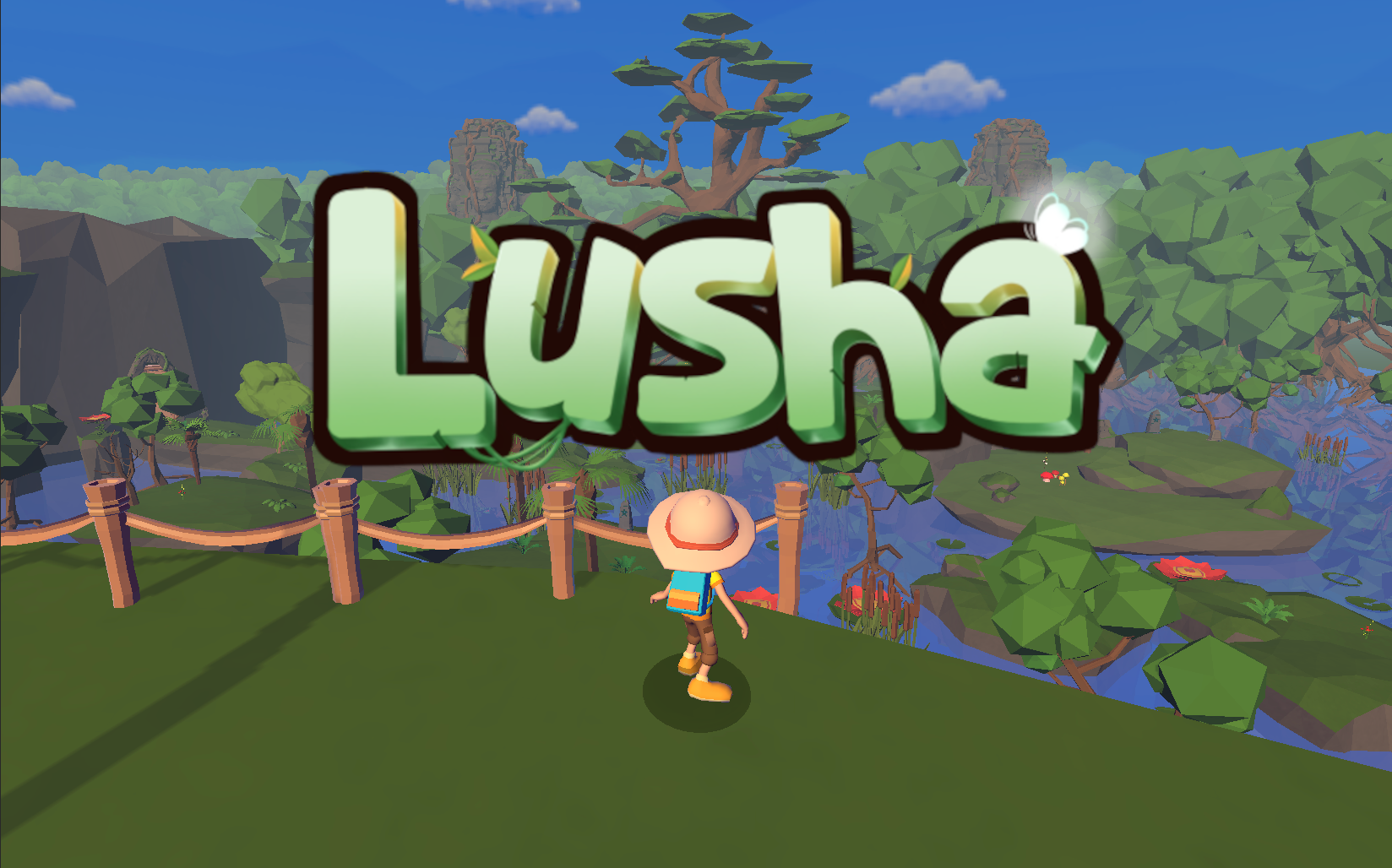
Official Lusha Wiki: The Adventure Game for Children with ADHD
About the game
Section titled “About the game”Lusha is a mobile game created by Dygie to support children and their families across several parts of daily life: organization, routines, understanding ADHD, emotional regulation, social skills, and the parent-child relationship. The app combines an adventure world, psychoeducational content, and a parent space to turn concrete goals into experiences that are more visible, gradual, and motivating.
Lusha was developed especially for children aged 6 to 12 with ADHD, but it can also help other children who face similar difficulties. It is especially useful when daily routines, homework, chores, anger management, or self-regulation are difficult.
The app has three main parts:
- a parent-child routine system with routines, behavioral challenges, parent validation, and in-game rewards;
- a child-facing path around psychoeducation, emotions, and social skills, especially through Tara’s School;
- a parent-facing space with guidance content, settings, a dashboard, and progress reports to follow the child’s development.
Lusha does not replace professional support. Its purpose is to help families put practical guidance into daily use, with a clearer framework for the child and observations that are easier to share.
Discover Lusha on the official website
What this wiki contains
Section titled “What this wiki contains”Start with the Getting Started Guide to install Lusha, understand the first settings, and guide your child through the game.
You will also find:
- a detailed description of the calendar, routines, behavioral challenges, rewards, and screen-time controls;
- practical guides in the How to Use Lusha section, including step-by-step help for creating routines;
- an introduction to Tara’s School and its psychoeducational content;
- a description of the game universe, its characters, and narrative landmarks;
- information about Lusha’s scientific foundations, sources of inspiration, collaborations with ADHD specialists, first impact studies, and ongoing clinical study.